Dentabiome Reviews: The Truth in 2026 - Is It Worth It?
Dentabiome Reviews: The Truth in 2026 - Is It Worth It?
Blog Article
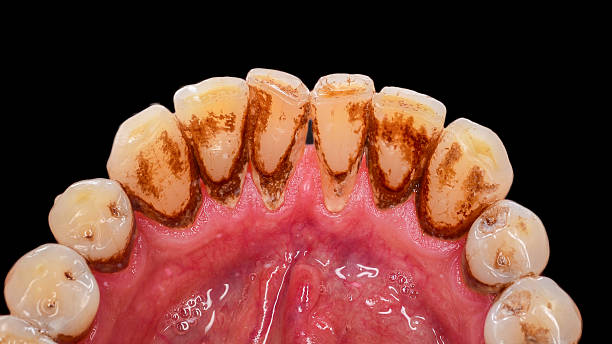
After several years on the market, Dentabiome continues to be a widely discussed topic in oral health circles. Current reviews for 2026 paint a somewhat nuanced picture. While some users claim significant improvements in gum condition and teeth appearance, others express doubts about the expense and long-term effectiveness . Many individuals find the personalized microbiome approach innovative, yet question whether the science truly justifies the investment. Ultimately, deciding if Dentabiome is valuable in 2026 copyrights on individual dental needs and a careful assessment of the available evidence – it's not a guaranteed fix for everyone.
Dentabiome Ingredients Breakdown: What's Really Inside?
Let’s examine what makes up Dentabiome, and scrutinize the key components. You'll find a special combination of ingredients designed to encourage oral health. Xylitol, a well-known natural sugar alternative, is included for its cavity protective properties. Calcium lactate helps build enamel, while nano hydroxyapatite aids in restoring tooth structure. We've also incorporated natural extracts like aloe vera to calm gums and mint for a clean breath experience. The full list comprises a carefully chosen selection of these effective, clinically studied elements, all working together to enhance your oral hygiene.
Revealing Dentabiome Benefits: Stronger Teeth & Gums?
Are you desiring a different approach to dental wellness? The burgeoning field of dentabiome research is revealing that maintaining a balanced community of microorganisms in your mouth – your “ecosystem” – can lead to significant improvements in both tooth and gum health. This approach moves beyond just addressing problems; it’s about fostering a thriving environment where beneficial bacteria dominate harmful ones, potentially reducing the risk of cavities, gingivitis, and even more serious periodontal diseases. Exploring this complex interplay can be the key to achieving a genuinely healthier smile and enjoying long-term oral wellness in the future.
Adverse Reactions & Safety
While typically considered mild, Dentabiome isn’t completely without potential consequences . Some individuals may encounter minor irritation , such as a temporary feeling in the mouth . Rarely , more pronounced issues, like sensitivities, which could involve rashes or difficulty inhaling , have been documented . It’s essential to stop applying Dentabiome and obtain attention immediately if you detect any troubling symptoms. Expecting women, or those with pre-existing oral conditions , should discuss their dentist or physician prior to using this solution . Always adhere to the included instructions and precautions carefully.
Frank Dentabiome Review (2026): Expert Analysis & User Experiences
Our thorough investigation into Dentabiome in 2026 reveals a mixed landscape. While many individuals report noticeable improvements in their dental health, including reduced plaque and gum inflammation, a portion voice concerns regarding the expense and long-term efficacy. Dentists we consulted generally agree that Dentabiome’s approach to microbiome balancing holds Dentabiome Ingredients Explained promise, but suggest realistic expectations and emphasize the importance of consistent use alongside a good oral hygiene routine. We've analyzed thousands of reviews, consolidating the feedback to provide an unbiased look at what you can truly expect from this increasingly popular oral health solution.
Dentabiome Deep Dive: Ingredients and Their Benefits Your Potential Results
Want to learn more about Dentabiome? This thorough exploration looks at the essential ingredients, their anticipated benefits, and what actual users are reporting . Dentabiome’s formula includes a unique blend of prebiotics, probiotics, and specialized nutrients designed to enhance your oral microbiome.
- Contains LactoSpin™, a patented probiotic culture .
- Delivers prebiotic fiber to nourish good bacteria.
- Utilizes Xylitol, known for its cavity-fighting properties .